Understanding Bonds: The Basics Every Investor Should Know
Bonds Explained
Understanding what a bond is can unlock powerful opportunities for your investment strategy. Simply put, a bond is a type of loan that you, the investor, give to a government or corporation in exchange for regular interest payments and the return of your principal at maturity.
Unlike stocks, which represent ownership in a company, bonds are debt instruments—meaning you’re essentially acting as the lender.
What are Bonds
Bonds are often viewed as a conservative investment option, but they can be dynamic financial instruments with varying characteristics that cater to different investors. Essentially, a bond is a loan made by an investor to a borrower, typically a corporation or government.
The borrower promises to pay back the principal amount on a specific date, along with periodic interest payments, known as the coupon.
This makes bonds a unique blend of risk and income potential, where stability can coexist with yield, depending on the issuer’s creditworthiness.
How bonds work
Bonds operate as IOUs between investors and borrowers, usually governments or corporations. When you purchase a bond, you’re essentially lending your money in exchange for periodic interest payments, known as coupon payments, plus the return of your principal at maturity.
This fixed-income investment offers a predictable cash flow, distinguishing it from the volatility often seen in stock markets. For many, bonds serve as a stabilizing force in a diversified portfolio, providing returns that can counterbalance higher-risk assets.
Types of bonds
Bonds come in various forms, each serving different needs and preferences for investors. Government bonds, for instance, are often seen as safe havens due to their backing by national revenues, but they vary widely in duration and yield.
In contrast, corporate bonds can offer higher returns, reflecting the greater risk that comes with investing in a business.
This spectrum means that savvy investors can tailor their bond portfolios to match their risk tolerance and investment horizon.
Bond investment basics
Bonds, often viewed as a safer investment compared to stocks, represent a loan made by investors to borrowers, typically corporations or governments.
When you purchase a bond, you’re essentially lending money, and in return, you receive regular interest payments, known as coupons, along with the principal back at maturity.
This predictable income stream can be particularly appealing for those seeking stability in an often unpredictable market.
The Benefits of Investing in Bonds
Advantages of bonds
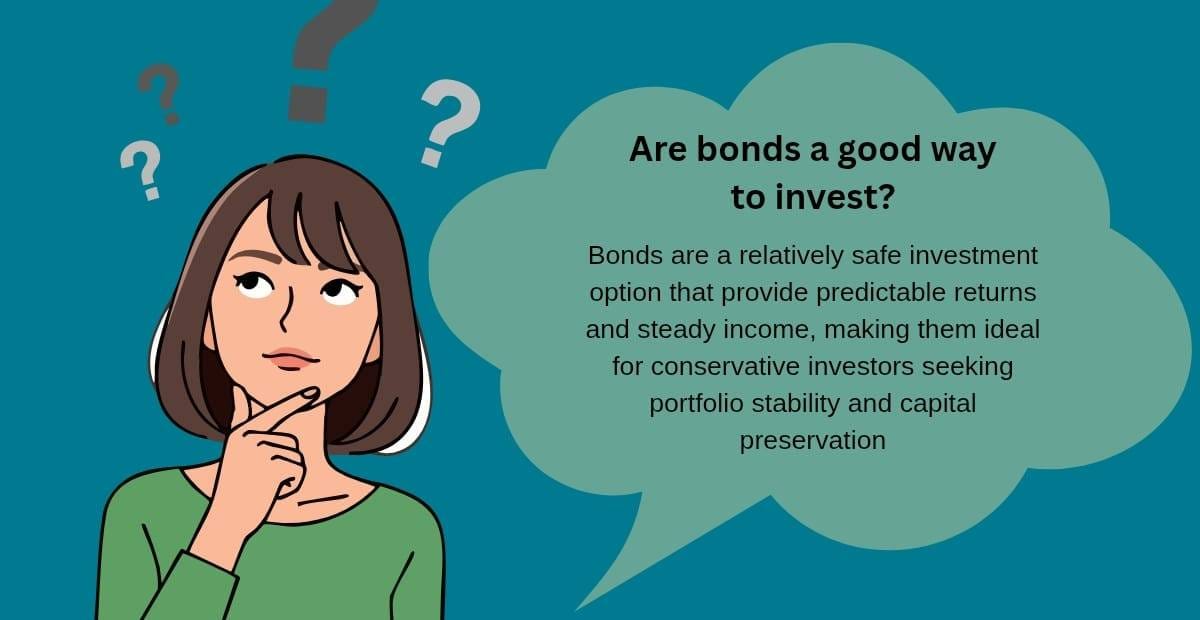
Bonds offer a unique blend of stability and consistency, making them an attractive option for both novice and seasoned investors.
One of the standout benefits is their predictable income stream, usually in the form of regular interest payments. This can provide a sense of security, especially during volatile market conditions, as bondholders can rely on these payments to supplement their income or reinvest for future growth
Stable Returns
Investing in bonds often gets overshadowed by the allure of stocks, yet these fixed-income securities offer unique advantages that can be particularly appealing for risk-averse investors. One of the standout benefits is their ability to deliver stable returns over time.
Unlike the volatile nature of equities, bonds provide predictable interest payments, allowing investors to plan their finances with greater assurance. This stability can be especially beneficial during turbulent market periods when stocks might be swinging wildly, emphasizing bonds as a reliable refuge
Lower risk Investment
Lower-risk investments often present a compelling alternative for those looking to grow their wealth without the rollercoaster ride of the stock market. Bonds, in particular, have long been favored for their stability.
By loaning money to corporations or governments, you essentially earn interest over time with a higher degree of predictability. While they may not yield the astronomical returns of equities, the peace of mind they bring in turbulent times can be invaluable.
Income from Bonds
Investing in bonds offers an intriguing pathway to generating income, especially in a climate where traditional savings accounts yield minimal returns. Bonds, essentially loans to issuers like governments or corporations, provide fixed interest payments known as coupons.
This reliability attracts those seeking stability amidst market volatility. In addition to predictable interest income, bonds can serve as a financial buffer against economic uncertainty, as their value often behaves differently from stocks.
Portfolio Diversification with Bonds
When considering portfolio diversification, bonds often emerge as an unsung hero. They offer stability amidst the volatile landscape of equities, acting as a buffer during turbulent market conditions.
While stocks can create a rollercoaster of highs and lows, bonds provide a steady income stream, which can be particularly advantageous during economic downturns. This balance isn’t just about minimizing risk; it’s also about enhancing overall portfolio resilience.
Potential Risks and Drawbacks of Bond Investments
Bonds vs Stocks Risk
When weighing the risks of bonds versus stocks, it’s crucial to recognize that these investment vehicles serve different purposes in a portfolio. Bonds, often regarded as safer assets, provide fixed income and are less prone to wild price swings.
However, they are not without their own risks, such as interest rate fluctuations and credit risk. If interest rates rise, the prices of existing bonds fall, potentially leading to losses for investors who need to sell before maturity.
Interest Rate Risk
Interest rate risk looms as a critical concern for investors, especially when it comes to bonds. When interest rates rise, the market value of existing bonds typically falls, creating a tug-of-war between potential returns and market volatility.
For those holding long-term bonds, this risk intensifies — long maturities mean greater price fluctuations in response to rate changes. It’s a paradox that seems counterintuitive, yet it’s a fundamental principle of the fixed-income market.
Credit Risk in Bonds
Credit risk in bonds is a nuanced terrain that both investors and issuers must navigate with care. Unlike stocks, where ownership stakes in companies rise and fall with market sentiment, bonds represent a promise — a commitment by the issuer to repay borrowed funds, including interest.
However, this promise can become shaky, especially in times of economic distress. High-yield bonds, often branded as “junk bonds,” may carry attractive yields, yet they come with a higher probability of default.
This delicate balance between risk and reward keeps investors on their toes, urging them to assess the underlying fundamentals of the issuer consistently.
Inflation Impact on Bonds
Inflation casts a long shadow over the bond market, fundamentally altering the investment landscape. When inflation rises, the real return on bonds — the interest income minus inflation — diminishes, making fixed-rate bonds less attractive.
For investors who had once confidently locked in yields, the purchasing power of those payments is eroded over time, prompting a reevaluation of strategies. This scenario can lead to increased volatility as investors scramble for alternatives with better inflation hedges, such as commodities or equities.
Disadvantages of Bond Investing
While bonds are often praised for their stability, they come with their own set of drawbacks that can catch investors off guard. One significant disadvantage is interest rate risk.
When rates rise, existing bonds become less attractive, causing their market value to fall. This can particularly sting for long-term bondholders who might find themselves stuck holding a less desirable asset, often until maturity when they might not recoup their initial investment.
People also like
Bonds vs. Other Investment Options: How Do They Compare?
Bonds vs Stocks Comparison
When weighing bonds against stocks, it’s essential to consider not just returns but risk tolerance and market dynamics. Bonds, often viewed as a safety net, provide fixed income, making them an attractive option for conservative investors.
They’re particularly appealing during economic downturns, as their principal typically retains value, offering a sense of security. Meanwhile, stocks, though inherently more volatile, present the opportunity for higher returns, especially in bull markets.
Best Investment Options 2025
As we look toward 2025, investors might want to consider integrating a diverse mix of bonds into their portfolios. With interest rates fluctuating and geopolitical uncertainties lingering, bonds can provide a safety net while still offering opportunities for growth.
Municipal bonds, for instance, not only help fund community projects but also offer tax advantages that can entice those in higher tax brackets. Additionally, the shift toward sustainable investing is giving rise to green bonds, which finance eco-friendly initiatives, making them appealing both financially and ethically.
Safe Investments vs High Returns
When considering the balance between safe investments and high returns, it’s essential to recognize the inherent trade-offs. Bonds often represent a cornerstone of safety in an investment portfolio due to their predictable income and lower risk compared to stocks.
They provide a reliable stream of interest payments, making them appealing for risk-averse investors seeking stability, especially in volatile markets. However, their returns tend to be modest, resulting in a slower wealth accumulation, which can deter those yearning for growth.
Diversify Portfolio with Bonds and Stocks
Investing in both bonds and stocks can create a balanced portfolio that leverages the strengths of each asset class.
While stocks offer the potential for higher returns through capital appreciation, bonds serve as a stabilizing force, often providing consistent income and reducing overall volatility. By blending these two elements, investors can navigate market fluctuations with greater ease.
Who Should Consider Investing in Bonds?
Suitable Investors for Bonds
Investing in bonds can be appealing to a wide range of investors, but certain profiles may find them particularly suitable. For risk-averse individuals, such as retirees or those nearing retirement, bonds offer a more stable income stream compared to stocks.
The predictability of interest payments helps protect against market volatility, making bonds a strategic choice for these investors seeking security and income stability.
Retirement Planning with Bonds
In the realm of retirement planning, bonds often emerge as unsung heroes. While stocks capture attention with their potential for rapid growth, bonds offer a stability that’s particularly appealing for those looking to secure their golden years.
By including various types of bonds — government, municipal, and corporate — in your portfolio, you can create a reliable income stream through regular interest payments, cushioning you against market volatility.
Conservative Investment Strategies
Conservative investment strategies often prioritize capital preservation and steady growth, making them especially appealing in uncertain economic climates. At the core of these strategies lies the use of bonds, which provide a predictable income stream while mitigating risk.
By incorporating a diversified range of bonds — government, municipal, and corporate — investors can spread their risk and take advantage of varying interest rates, enhancing their portfolio’s resilience against market fluctuations.
Beginner Investors and Bonds
Bonds can often seem intimidating for beginner investors, but understanding their potential can unlock a world of opportunities. Unlike stocks, which can be volatile and unpredictable, bonds offer a more stable investment avenue, acting as a form of loan where you’re the lender.
When you invest in bonds, you’re essentially providing capital to governments or corporations in exchange for regular interest payments, along with the return of your principal at maturity. This consistent income stream can be particularly appealing in uncertain market climates
Tips for Getting Started with Bond Investments
How to Buy Bonds for Beginners
Buying bonds can feel daunting for beginners, but understanding the basics can simplify the process. Start by familiarizing yourself with the different types of bonds available — government, municipal, and corporate.
Each comes with its own risk profile and return potential. For instance, government bonds are generally considered safer but offer lower yields, while corporate bonds might provide higher returns with increased risk.
Choosing the Right Bond Type
When it comes to investing in bonds, the sheer variety can be overwhelming. It’s not just about knowing the difference between corporate, municipal, and treasury bonds; it’s about understanding your own financial goals and risk tolerance.
For example, if you’re seeking stability and income with lower risk, treasury bonds can be an excellent choice. However, if you’re willing to embrace a bit more risk for potentially higher returns, corporate bonds might be the ticket.
Building a Bond Ladder Strategy
Building a bond ladder strategy offers investors a dynamic way to manage risk while enhancing returns. By structuring your bond investments across various maturities instead of putting all your eggs into one basket, you can better weather interest rate fluctuations
Consider starting with shorter maturities that provide liquidity and flexibility, gradually adding intermediate and long-term bonds for stability and higher yields.
This approach not only mitigates the impact of rising rates but also allows you to reinvest maturing bonds into potentially higher-yielding options as market conditions evolve.
Investing in Government vs Corporate Bonds
When it comes to investing in bonds, the choice between government and corporate bonds often boils down to risk tolerance and return expectations. Government bonds, typically seen as the safer option, offer a guarantee backed by the state’s full faith and credit.
This reliability appeals to conservative investors but usually comes with lower yields. However, in an era of rising inflation, even these “safe havens” can struggle to keep pace with the impact on purchasing power.
Conclusion: Are Bonds the Right Investment Choice for You?
Should I Invest in Bonds Now?
Investing in bonds can feel daunting, especially in the current financial landscape. With fluctuating interest rates and economic uncertainties, it’s natural to question if now is the right time to dive into this fixed-income market.
However, bonds often provide a crucial counterbalance to the volatility of equities, serving as a stabilizing force in your portfolio. Consider this: as central banks adjust their monetary policies, the potential for higher yields on newly issued bonds may present a tactical opportunity for savvy investors ready to pivot.
Making Informed Investment Decisions
Making informed investment decisions starts with understanding the landscape of the market. It’s essential to diversify your portfolio to mitigate risk, and incorporating bonds alongside stocks can offer a stable foundation.
Bonds often provide a predictable income stream, making them a compelling choice amid market volatility. By analyzing the credit ratings of various bonds, you not only gauge their reliability but also uncover potential gems that may be overlooked by less diligent investors.
Long Term Financial Planning with Bonds
Long-term financial planning with bonds can be an intriguing venture for both novice and seasoned investors. Bonds, often perceived as the safer side of investing compared to stocks, can serve as a solid foundation for a well-diversified portfolio.
They offer predictable income streams, which can be especially comforting during volatile market conditions. Consider incorporating municipal bonds into your mix — these can provide not only tax-exempt income but also support local initiatives, intertwining your financial goals with community betterment.



3 thoughts on “Are Bonds a Good Way to Invest? A Comprehensive Guide for Smart Investors”