Understanding Bonds: What Are They and Why Invest?
Bonds Explained
How Do I Buy Bonds serve as a powerful tool in the investment landscape, offering fixed income and stability amid market volatility. When you invest in bonds, you essentially lend your money to corporations or governments for a predetermined period, earning interest in return. This simplicity not only makes them accessible but also introduces a level of predictability to your investment portfolio, which is often hard to find with stocks.
Types of Bonds
When exploring the various types of bonds, it’s essential to understand how they cater to different investment needs and risk appetites. Government bonds, like U.S. Treasuries, are often considered the safest option. However, municipal bonds can offer tax advantages, making them attractive for investors seeking both income and tax efficiency.
On the other hand, corporate bonds vary significantly in risk and return, depending on the issuing company’s financial health. Investing in high-yield bonds, often referred to as “junk” bonds, may provide higher returns but comes with increased risk.
Benefits of Investing in Bonds
Investing in bonds offers a unique blend of stability and income potential, making it an essential consideration for those looking to diversify their portfolios. Unlike stocks, bonds come with fixed interest payments, providing a predictable revenue stream that appeals to risk-averse investors.
This is particularly advantageous in volatile markets, as bonds can act as a buffer against sharp declines in stock prices, allowing investors to weather economic storms with greater ease.
Bond Basics
Investing in bonds is often viewed as a safer alternative to stocks, but understanding their fundamentals can unlock their potential as a valuable component of your portfolio. Bonds represent loans made by investors to borrowers, typically corporations or governments, and their appeal lies in their predictable income streams and capital preservation.
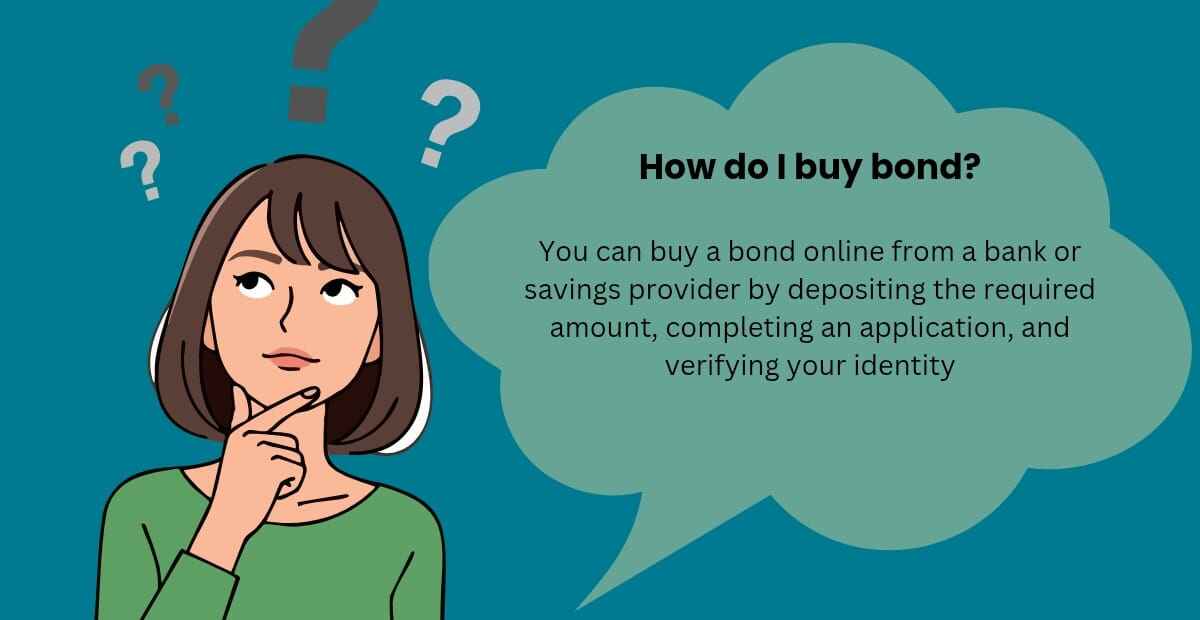
When you ask yourself, “How do I buy bonds?” it’s essential to remember that investing in bonds can offer various paths — From government treasuries that back national security to corporate bonds that finance the next revolutionary tech startup.
Fixed Income Securities
Fixed income securities, often considered the bedrock of a diversified investment portfolio, provide investors with a dependable stream of income through regular interest payments. These securities, including government and corporate bonds, appeal not only for their stability but also for their role in risk management.
When exploring “how do I buy bonds,” it’s essential to recognize the various platforms available, from traditional brokerage accounts to online trading apps, each offering unique advantages tailored to different investor profiles.
The Different Types of Bonds You Can Buy
Government Bonds
Government bonds represent a unique intersection of stability and strategy in the investment landscape. These debt securities are issued by governments to fund various initiatives, from infrastructure projects to social programs, making them a critical tool for national finance.
Unlike corporate bonds, government bonds are often viewed as risk-free due to the backing of the state, attracting conservative investors seeking reliable returns. Yet, understanding how do I buy bonds can be just as crucial as knowing their benefits: they can be purchased directly from the government, through brokers, or via bond mutual funds, each method catering to different investor needs and preferences.
Corporate Bonds
Corporate bonds, often seen as a bridge between equity and traditional fixed-income securities, present a unique opportunity for investors seeking stable returns with slightly higher risk profiles. When considering how do I buy bonds, it’s essential to evaluate the creditworthiness of the issuing company, as this directly affects yield and safety.
Investors should look beyond just interest rates; understanding the company’s market position, growth potential, and industry dynamics can provide pivotal insights into the bond’s future value.
Municipal Bonds
Municipal bonds, often viewed as a safer investment alternative, provide a unique opportunity for individuals seeking tax advantages while contributing to their communities. These bonds are typically issued by state or local governments to fund public projects, ranging from schools to infrastructure, making them not just a financial asset but also a civic investment.
When considering how to buy bonds, investors should explore not only the yield but also the socio-economic impact they can create.
Treasury Bonds vs. Savings Bonds
When exploring investment options, understanding the nuances between Treasury Bonds and Savings Bonds can be crucial. Treasury Bonds, issued by the federal government, tend to attract those seeking long-term stability and predictable interest income. They are traded on the secondary market, allowing investors to buy and sell them like stocks. This liquidity can be appealing for those who want flexibility in managing their investment portfolios.
Bond Market Options
In an ever-evolving financial landscape, bond market options have emerged as powerful tools for both seasoned investors and novices alike. Understanding “How do I buy bonds?” is just the starting point; it’s essential to explore the variety of options available beyond traditional bonds.
Options like zero-coupon bonds, which provide a unique opportunity to invest for the long term without periodic interest payments, can effectively lock in lower rates and maximize investment potential over time.
Where Can You Purchase Bonds? Exploring Your Options
Buying Bonds Online
Buying bonds online has transformed from a niche market to an accessible investment vehicle for everyone. With just a few clicks, investors can tap into diverse offerings, from government bonds to corporate debt instruments, enabling them to align their portfolios with personal financial goals.
The rise of digital platforms has demystified the process, answering the common question, “How do I buy bonds?” by breaking it down into straightforward steps.
Brokerage Accounts for Bonds
When considering how to buy bonds, understanding brokerage accounts is crucial for navigating the intricate landscape of fixed-income investing. Unlike stocks, bonds can be more challenging to trade, particularly if you’re diving into municipal or corporate varieties.
A brokerage account specifically designed for bonds can provide access to a diverse range of fixed-income securities, from government debt to high-yield options, broadening your investment scope.
Banks and Financial Institutions
Navigating the world of banks and financial institutions can be a transformative experience for those looking to build wealth. For many, the question of “How do I buy bonds?” often marks the beginning of a deeper exploration into fixed-income investments.
Bonds are a compelling alternative to traditional savings accounts, offering the potential for steady income alongside relative security. As interest rates fluctuate, savvy investors can leverage bond purchases to enhance their portfolios, taking advantage of market conditions to lock in favorable returns.
Direct Purchase From Government (TreasuryDirect)
Navigating the world of government bonds can feel daunting, but purchasing them directly through TreasuryDirect simplifies the process significantly. When asking, “How do I buy bonds?”, the answer lies in the user-friendly interface offered by this online platform. Here, investors can buy U.S. Treasury securities — such as savings bonds and Treasury bills — without any intermediary, leading to lower costs and immediate ownership.
Bond Funds and ETFs
Bond funds and ETFs present a compelling alternative for investors looking to navigate the often-complex world of fixed-income securities. Unlike traditional bonds, which require a significant capital commitment and often involve individual bond selection, bond funds and ETFs allow you to tap into a diversified portfolio with a single investment.
This diversification not only spreads the risk but also enhances liquidity, making it easier to buy bonds without the hassle of individual transactions.
People Also ask
A Step-By-Step Process: How Do I Buy Bonds?
How to Buy Government Bonds Step-by-Step
When considering how to buy bonds, start by understanding the different types of government bonds available, such as Treasury bills, notes, and bonds. Each has its maturity period and interest payout structures, so choose one that aligns with your investment goals.
For instance, if you’re looking for short-term liquidity, Treasury bills, which mature in a year or less, might be your best bet. Exploring these options will provide clarity on the kind of returns you can expect.
Opening a Brokerage Account for Bonds
Opening a brokerage account for bonds can be a strategic move for both seasoned investors and newcomers alike. Unlike stocks, bonds offer a predictable income stream, making them an essential component of a diversified portfolio. When exploring the question,
“How do I buy bonds?”, understanding the varying types of brokerage accounts can illuminate your path. Full-service brokers provide personalized advice, which can be a boon for those overwhelmed by choices, while discount brokers allow for DIY investing, granting you more control over your bond selections.
Purchasing Through Treasury Direct.gov
Purchasing government bonds through TreasuryDirect.gov offers investors an exciting opportunity to engage directly with the U.S.Department of the Treasury. To start, it’s essential to create an account, which allows you to purchase a variety of instruments like savings bonds and Treasury securities with just a few clicks.
One of the most attractive aspects of this platform is its direct nature, removing intermediaries and ensuring that you benefit from competitive interest rates without any additional fees.
Instructions for Buying Corporate or Municipal Bonds
When considering how to buy bonds, particularly corporate or municipal ones, it’s essential to start with solid research. Begin by identifying your investment goals: Are you seeking higher yields, or do tax advantages play a crucial role in your decision-making?
Corporate bonds typically offer higher returns but come with increased risk, while municipal bonds are often favored for their tax-exempt interest, making them appealing for those in higher tax brackets.
What to Look for When Buying Bonds: Key Considerations and Tips
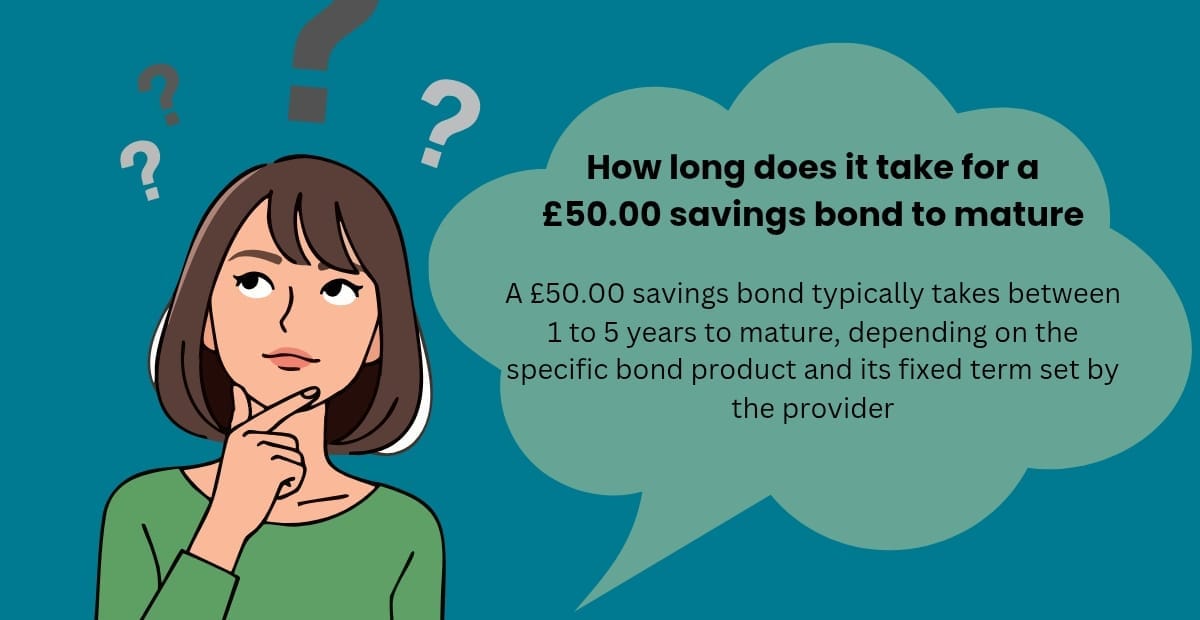
Bonds Maturity Date Explained
The maturity date of a bond is a crucial aspect that influences its value and appeal for investors. Essentially, the maturity date marks the end of a bond’s life cycle, at which point the issuer is obligated to repay the principal amount to bondholders.
Understanding this timeline is vital; while longer maturities can offer higher yields, they also introduce greater risk due to interest rate fluctuations. This makes knowing what type of bond aligns with your investment strategy essential in the question of “How do I buy bonds?”
Interest Rates/Yields on Bonds
Interest rates and bond yields are intricately connected, creating a dynamic landscape for investors looking to understand how to enhance their portfolios. When interest rates rise, existing bond prices typically fall, leading to higher yields for new investors.
This inverse relationship means that savvy investors must navigate these fluctuations carefully, particularly in a market where central bank policies can shift quickly based on economic indicators. For those wondering, “How do I buy bonds?” it’s crucial to consider both current yield trends and the timing of your investments to maximize returns.
Credit Ratings for Safety Assessment
Credit ratings serve as a safeguard for investors, offering a lens through which the safety and reliability of financial instruments can be assessed. In an increasingly complex market, understanding how these ratings influence the decision-making process becomes crucial, especially for those asking, “How do I buy bonds?” A bond’s credit rating not only reflects the issuer’s ability to fulfill its financial obligations but also acts as a barometer for risk.
Risks Involved in Buying Bonds
When considering how do I buy bonds, it’s essential to grasp the risks that come along with this investment. One of the primary concerns is interest rate risk; as rates rise, the value of existing bonds typically falls. This can be particularly distressing if you plan to sell your bonds before maturity. A bond bought at a premium may yield lower returns if market conditions shift.
The Costs Associated with Buying Bonds
Bond Prices and Fees Explained
Understanding bond prices is crucial for anyone asking, “How do I buy bonds?” The price of bonds fluctuates based on market interest rates, credit ratings, and the time to maturity. When interest rates rise, existing bonds with lower rates decrease in value, making them less attractive to investors.
Conversely, when rates fall, existing bonds can offer higher returns, leading to an increase in their price. This variability illustrates the dynamic nature of the bond market, emphasizing the importance of timing in your investment strategy.
Broker Commissions on Bond Purchases
When considering how to buy bonds, an often overlooked aspect is the broker commissions that can significantly impact your overall return. Unlike stocks, where commissions are increasingly becoming negligible due to zero-fee trading platforms, bond transactions can involve more complex fee structures.
Many brokers charge a markup on bond sales, which might not be immediately apparent. This hidden cost can erode your profits, so it’s crucial to scrutinize commission structures before committing to a purchase.
Minimum Investment Requirements for Different Types of Bonds
When considering how to buy bonds, understanding the minimum investment requirements is crucial, as they can vary significantly across different types. U.S. Treasury bonds, for example, can often be purchased with as little as $100, making them accessible to a broad range of investors.
In contrast, corporate bonds typically require a higher minimum investment, often starting around $1,000. This disparity can influence your strategy, especially if you’re seeking to diversify your portfolio with both governmental and private-sector securities.
Bonds vs. Other Investments: Why Choose Bonds?
Bonds vs Stocks Comparison
When considering an investment portfolio, the age-old debate between bonds and stocks often emerges. While stocks offer the potential for higher returns, they also come with heightened volatility and risk.
In contrast, bonds are generally viewed as more stable investments, providing consistent interest income and a predictable return of principal at maturity. Yet, the trade-off for that stability can be lower long-term growth, making it essential to assess individual risk tolerance.
Portfolio Diversification with Fixed Income Securities
Investing in fixed income securities, such as bonds, is a strategic move for diversifying your portfolio. By incorporating these instruments, you can reduce overall risk while generating a steady income stream. Fixed income securities typically have a lower correlation with equities, meaning they can act as a buffer during market volatility.
When stocks are under pressure, bonds often hold their value or even appreciate, offering a sense of stability and reassuring yield.
Bond Risk Versus Stock Risk
Understanding the dynamics between bond risk and stock risk is essential for any investor. Bonds are often perceived as a safer investment, particularly government and high-quality corporate bonds, due to their fixed interest payments and priority in bankruptcy proceedings.
However, bonds are not without risk. Interest rate fluctuations can significantly impact bond prices; as rates rise, existing bonds typically lose value. So, if you’re pondering, “How do I buy bonds?” reflect on the current interest rate environment and your investment horizon.
Safe Investments for Beginners
For beginners looking to dip their toes into investing, bonds can be a solid choice due to their relatively low risk compared to stocks. When considering “How do I buy bonds?” it’s essential to understand the variety available, from government bonds like U.S. Treasuries to municipal and corporate bonds. Each type carries its own risk and return profile, making it crucial to align your choice with your investment goals and risk appetite.
Conclusion: Take the Next Step — Start Building Wealth by Buying Bonds Today!
In today’s financial landscape, taking the initiative to invest in bonds can be a transformative step toward building lasting wealth. If you’ve been wondering, “How do I buy bonds?” you’re not alone; many investors are now recognizing the stability and predictable returns bonds can offer.
Investing in bonds not only diversifies your portfolio but also mitigates risks associated with more volatile assets like stocks. As interest rates fluctuate, purchasing bonds can allow you to lock in favorable returns, setting a strong foundation for your financial future.
One thought on “How Do I Buy Bonds? Your Step-by-Step Guide to Smart Investing”