Understanding the Basics: What is a $1000 Bond?
$1000 bond definition
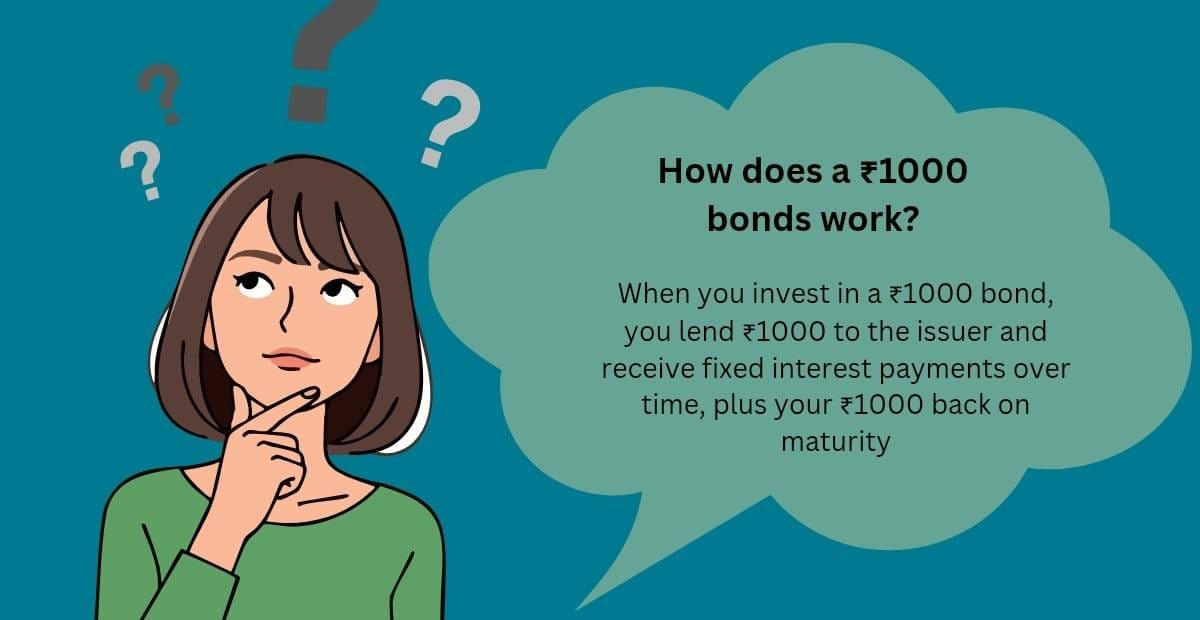
How Does a $1000 Bond Work represents a financial instrument that allows individuals to lend money to an issuer, often a government or corporation, in exchange for periodic interest payments and the promise of principal repayment at maturity.
This relatively small denomination makes bonds accessible to a wider range of investors, breaking down barriers to entry in the fixed-income market. Understanding bonds like these can provide a stable investment avenue, especially in uncertain economic times when the allure of stocks might seem too risky.
Bond Principal Amount
The bond principal amount, often referred to as the face value, plays a pivotal role in the world of bonds, serving as the foundation for both investors and issuers.
This is the sum that an issuer promises to pay back to the bondholder at maturity, making it a crucial element in determining the total return on investment.
However, it’s not just about numbers; understanding the principal can unlock deeper insights into market dynamics.
For instance, a bond’s principal can influence its yield — essentially the return on investment — as market conditions fluctuate, reflecting the changing interest rates and credit risks associated with the issuer.
Face Value of a Bond
The face value of a bond, often referred to as its par value, is more than just a number stamped on paper. This amount, typically $1,000 for many corporate bonds, represents the sum that an investor will receive upon maturity.
However, its significance extends beyond this final payout; it’s a key determinant in calculating yield and understanding overall investment risk.
When bond prices fluctuate in the market — sometimes trading above or below this face value — these movements unveil insights into interest rates, credit risk, and investor sentiment.
Fixed-Income Investment
Fixed-income investments, particularly bonds, have long been considered a staple for building a robust portfolio. Unlike stocks, which can be unpredictable, bonds offer a sense of security through regular interest payments and the promise of principal return at maturity.
This predictable cash flow can be particularly appealing in uncertain economic times, giving investors peace of mind. It’s important to consider not just government bonds but also corporate and municipal bonds, which can diversify risk and potentially enhance returns.
The Lifecycle of a $1000 Bond: Purchase to Maturity
Buying Bonds
When it comes to investing, buying bonds can often feel like a safer harbor amid turbulent financial seas. Bonds, essentially loans made to governments or corporations, provide a structured way to earn interest over time.
However, the allure of steady returns can sometimes overshadow the crucial need for strategic selection. It’s essential to consider the issuer’s creditworthiness; a higher yield might seem tempting, but it can also indicate higher risk.
How to Invest in Bonds
Investing in bonds is often viewed through the lens of stability and safety, but there’s a dynamic world behind these fixed-income securities that can enhance your portfolio when understood properly. The first step is to grasp the different types of bonds available.
From government bonds to corporate and municipal options, each serves different risk profiles and investment goals. For instance, while U.S. Treasuries are often hailed for their safety, corporate bonds can offer considerably higher yields that may appeal to those willing to take on a bit more risk.
Bond Maturity Date
The bond maturity date is more than just a marker of time; it signifies the culmination of a financial journey, impacting both investors and issuers alike.
For investors, this date represents the moment they receive their principal back, but it can also be a tipping point for how they assess their portfolios.
Markets fluctuate, interest rates rise and fall, and the value of a bond can vary significantly as it approaches its maturity date. This dynamic nature invites strategic decision-making — whether to hold onto a bond for guaranteed returns or sell it in a potentially volatile market.
Holding Period
The holding period of a bond is often overlooked, yet it plays a pivotal role in shaping an investor’s strategy and outcomes. Simply put, the holding period refers to the duration an investor plans to keep a bond before selling it, impacting both returns and risk exposure.
A longer holding period can offer the benefits of compound interest and stability, especially in a fluctuating interest rate environment, where selling too soon may result in locking in losses.
Redemption Process
The redemption process can often feel intimidating, but it offers a powerful opportunity to regain control over your financial landscape. At its core, redemption serves as a bond between individuals and their aspirations, allowing them to reclaim what was lost or neglected.
This journey often begins with introspection — an honest evaluation of past decisions coupled with a vision for a brighter future. By identifying the root causes of financial strain, individuals can map out a tailored strategy to restore their fiscal health.
People also Like
Interest Payments Explained: How Do You Earn Money from a $1000 Bond?
Bond Interest Rate
When it comes to bonds, the interest rate is a dynamic force that shapes investment decisions and market behaviors. It’s more than just a number; it often indicates broader economic trends and investor sentiment.
For instance, rising interest rates typically signal monetary tightening, which can lead to increased borrowing costs and potentially lower economic growth.
Savvy investors keep a keen eye on these shifts, understanding that even a slight change in rates can have significant implications for bond yields and their overall portfolio performance.
Coupon Payments
Coupon payments are often what make bonds appealing to investors. These regular interest payments provide a predictable income stream, allowing bondholders to benefit despite the fluctuations in the broader market.
Unlike stocks, which might soar or plummet, bonds typically offer that steady reassurance, especially in uncertain economic times. Understanding the nuances of these payments can be a game changer, revealing how interest rates affect their attractiveness.
When rates rise, existing bonds with lower coupon payments become less appealing, highlighting the delicate balance between bond pricing and yield.
Fixed Rate vs Variable Rate Bonds
When considering bond investments, the choice between fixed rate and variable rate bonds can significantly influence your portfolio’s performance. Fixed rate bonds provide certainty; you know exactly what to expect in terms of interest payments, making them ideal for conservative investors looking for reliable, predictable returns. However, this predictability comes at a cost — namely, the opportunity for growth may be limited during periods of rising interest rates.
Semi-Annual Interest Payments
Semi-annual interest payments on bonds offer a fascinating blend of predictability and opportunity for investors. When you purchase a bond, you essentially lend money to an issuer in exchange for regular interest payments, typically paid out every six months.
This schedule not only provides a steady cash flow but also aligns well with budgeting needs, allowing investors to anticipate and plan for their income. For those looking to balance risk and return, understanding these payments can be a key factor in bond portfolio management.
The Role of Risk and Credit Ratings in Bonds
Bonds Risk Factors
When investing in bonds, it’s crucial to understand the intricacies of risk factors that can erode potential returns. Interest rate risk remains one of the most significant concerns; as rates rise, bond prices typically fall, creating a delicate balancing act for investors.
For instance, holding a long-term bond can expose you to a steep decline in value if the market suddenly shifts, prompting many to reevaluate their strategies.
Bond Credit Rating Agencies (Moody’s, S&P)
Bond credit rating agencies like Moody’s and S&P play a pivotal role in shaping the landscape of global finance. These organizations not only provide ratings that help investors gauge the risk associated with bonds, but they also influence how issuers approach their capital-raising strategies.
A high rating can enable an entity to access capital at lower costs, while a downgrade can trigger higher yields and wider spreads, impacting investment decisions far and wide.
Default Risk on Bonds
Default risk on bonds is a critical factor that every investor should consider when entering the fixed-income market. This risk occurs when an issuer fails to make scheduled interest payments or repay the principal at maturity, shaking the very foundation of investor trust.
While U.S. Treasury bonds are often seen as virtually risk-free, corporate bonds can introduce a spectrum of default risks, particularly in economically turbulent times. The financial health of the issuing company, industry trends, and macroeconomic indicators play pivotal roles in assessing this risk.
Selling Your $1000 Bond Before Maturity: Pros and Cons
Secondary Market for Bonds
The secondary market for bonds is often overshadowed by its primary counterpart, yet it plays a crucial role in the financial ecosystem. Here, investors trade bonds that have already been issued, allowing for price discovery and liquidity.
This market provides an essential platform for bondholders looking to adjust their portfolios or seek out investment opportunities without having to wait for bonds to mature. It’s where interest rates shift dynamically, reflecting economic conditions and influencing investment strategies.
Selling Bonds Early
Selling bonds early can feel like a double-edged sword for investors, often pushing them into a conundrum of risk versus reward. On one hand, if market interest rates are climbing, the value of existing bonds tends to drop, which could coax you into selling while prices are still comparatively favorable. However, this sleek exit strategy could mean facing steep capital gains taxes or losing out on the potential income from interest payments if you bail out too soon.
Bond Price Fluctuations
Bond price fluctuations often mirror the shifting sentiments of the financial markets, making them a fascinating barometer for economic health. When interest rates rise, the prices of existing bonds typically dip, as new bonds are issued with higher yields, making the older ones less attractive.
This inverse relationship can induce a rollercoaster effect, especially for investors navigating a volatile market. But beyond just interest rates, factors such as inflation expectations, geopolitical events, and fiscal policies play pivotal roles in shaping bond price dynamics.
Market Value vs Face Value
Understanding the distinction between market value and face value can profoundly impact an investor’s strategy, particularly in the world of bonds. Face value, or par value, is the amount a bondholder will receive at maturity, reflecting the bond’s original issuance.
In contrast, market value fluctuates based on various factors, including interest rates, economic conditions, and the issuer’s creditworthiness. If interest rates rise, for example, existing bonds with lower interest payments might sell for less than their face value because investors can find better returns elsewhere.
Treasury Bonds vs. Corporate Bonds: Which Type is Right for You?
Types of Bonds Explained
Bonds are fascinating financial instruments that represent a loan made by an investor to a borrower, typically a corporation or government. Among the various types of bonds, one of the most intriguing is the municipal bond, often overlooked by investors.
These bonds are issued by local or state governments and offer tax advantages, making them particularly appealing for those looking to mitigate their tax liabilities while supporting community projects, like schools and infrastructure improvements.
Government vs Corporate Bonds Comparison
When comparing government and corporate bonds, investors often grapple with the balance of risk and return. Government bonds are typically seen as the safer choice, backed by the full faith and credit of the issuing government. This security comes at a cost, as yields tend to be lower compared to their corporate counterparts.
In contrast, corporate bonds offer the enticing prospect of higher returns, often fueled by the financial robustness of the issuing company. However, they come with increased risk; a single downturn in a company’s fortunes can lead to credit downgrades or even defaults.
Safety and Returns on Different Bonds
When exploring the world of bonds, safety often reigns paramount in investors’ minds. Generally, government bonds, like U.S. Treasuries, stand out for their stability, backed by the full faith of the issuing government. However, this safety comes with a trade-off: lower yields.
In contrast, corporate bonds can offer higher returns but carry additional risks, particularly if the issuing company faces financial difficulties. Understanding your risk tolerance is essential here — chasing higher returns in the corporate bond space may lead to unexpected volatility.
Tax Considerations When Investing in a $1000 Bond
Taxes on Bond Interest Income
When it comes to bond interest income, many investors overlook the tax implications that can significantly impact their returns. Generally, interest from corporate bonds is fully taxable at the federal level and may also be subject to state and local taxes.
However, this is where municipal bonds shine; their interest is often exempt from federal taxes and may offer state tax benefits as well. This distinct advantage can make municipal bonds particularly attractive to those in higher tax brackets, effectively enhancing their yield.
Municipal Bond Tax Benefits
Investing in municipal bonds is often celebrated not just for their stability but for the significant tax benefits they offer. Unlike conventional fixed-income securities, the interest earned on most municipal bonds is exempt from federal income tax, and often state and local taxes as well.
This feature makes them particularly attractive to high-income earners and those in higher tax brackets, allowing investors to retain a larger portion of their returns.
Taxable vs Tax-Exempt Bonds
When diving into the world of bonds, understanding the nuances between taxable and tax-exempt bonds can significantly impact your investment strategy. Tax-exempt bonds, often issued by municipalities, offer a unique allure: the interest earned is typically exempt from federal income tax, and in some cases, state and local taxes. This can make them particularly appealing for investors in higher tax brackets seeking to maximize their after-tax yield. However, while the allure of tax benefits is enticing, one must consider the generally lower interest rates associated with these bonds compared to their taxable counterparts.
Conclusion: Is a $1000 Bond the Right Investment for Your Financial Goals?
When contemplating a $1000 bond as part of your investment strategy, it’s crucial to align it with your personal financial goals. A bond can serve as a reliable income generator and a stabilizing factor in your portfolio, especially if you’re seeking lower-risk options. However, the return on a bond may not always outpace inflation, so understanding your timeframe is essential. If you’re investing for a longer horizon, you might want to explore other vehicles that could yield higher returns.