Understanding Savings Bonds: The Basics You Need to Know
Savings Bond Basics
Savings bonds, particularly U.S. Series I and EE bonds, have long been a cornerstone of personal savings. They offer a safe and reliable way to invest, gradually growing in value over time. One compelling aspect is how the interest is compounded, making it essential for holders to understand their worth as they mature.
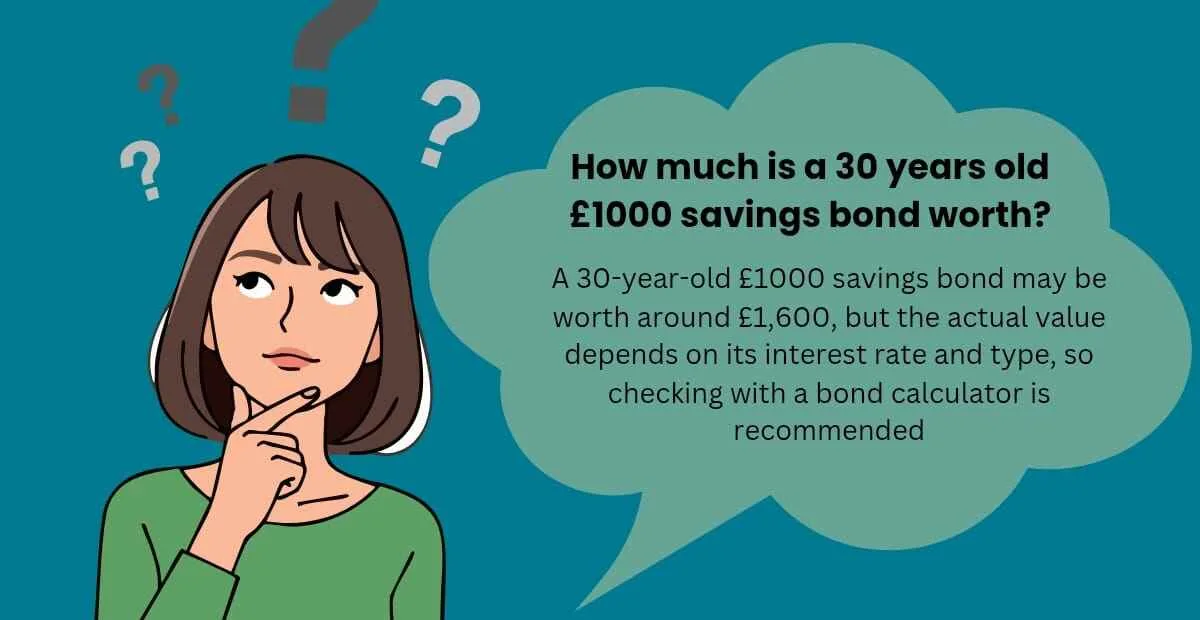
For instance, if you’re wondering how much is 30 years old $1000 savings bond worth, the answer isn’t just a simple number; it reflects decades of steady interest accumulation.
What is a Savings Bond
A savings bond is a unique financial tool issued by the government that serves as both a secure investment option and a means to support public initiatives. Unlike traditional investments, such as stocks or mutual funds, savings bonds are designed to be low-risk, making them particularly appealing to conservative investors or those new to investing. One of the attractive features of these bonds is their ability to grow interest over time without any market volatility.
Types of Savings Bonds
Savings bonds come in a few distinct types, each catering to different investment goals. Series I bonds, for example, are designed to combat inflation, as their interest rates adjust based on the Consumer Price Index.
This makes them a stable choice for those seeking to preserve purchasing power over time. On the other hand, Series EE bonds offer a fixed interest rate and are guaranteed to double in value after 20 years if held to maturity, making them a compelling option for long-term savers.
US Savings Bonds Explained
US Savings Bonds represent a unique blend of security and simplicity in personal finance. Many people stumble upon these bonds as gifts or inherited assets, but understanding their value, especially after several decades, can be perplexing. For instance, if you’re wondering how much a 30-year-old $1,000 savings bond is worth, you’ll find that its worth often surpasses initial expectations due to compounding interest.
The Key Factors That Determine Your 30-Year-Old $1000 Savings Bond’s Value
Savings Bond Maturity
When it comes to understanding savings bond maturity, it’s essential to grasp the nuances of how long these financial instruments grow in value. One intriguing aspect is the surprising worth of a 30-year-old $1,000 savings bond.
Many holders may be unaware that their bonds have quietly appreciated over the decades, potentially yielding a substantial return. Depending on the type of bond — whether it’s a Series I or Series EE — the value at maturity can soar well beyond the initial investment, often doubling or more in the right conditions.
Interest Rates on Savings Bonds
When considering the value of a 30-year-old $1,000 savings bond, it’s fascinating to explore how interest rates have shaped its worth over decades. Savings bonds, often perceived as a conservative investment, offer a unique blend of security and low-risk returns. As interest rates fluctuate, the value of these bonds can be surprising; for instance, a bond that may have seemed lackluster during a period of low rates can appreciate significantly as rates rise, reflecting economic conditions and inflation adjustments.
Bond Accrual period
When considering the value of a 30-year-old $1,000 savings bond, it’s fascinating to explore how interest rates have shaped its worth over decades. Savings bonds, often perceived as a conservative investment, offer a unique blend of security and low-risk returns.
As interest rates fluctuate, the value of these bonds can be surprising; for instance, a bond that may have seemed lackluster during a period of low rates can appreciate significantly as rates rise, reflecting economic conditions and inflation adjustments.
Inflation Impact on Savings Bonds
The value of savings bonds, particularly those issued decades ago, is increasingly influenced by inflationary pressures. For instance, if you’re holding a 30-year-old $1,000 savings bond, its worth might surprise you when inflation is factored in. As prices rise across the board, the purchasing power of that bond diminishes; what once bought a significant amount now may barely scratch the surface of affordability.
Face Value vs. Current Value
When evaluating financial instruments like savings bonds, understanding the distinction between face value and current value is crucial. The face value of a savings bond, typically $1,000 in this case, represents the amount that will be paid out at maturity, often decades down the line.
However, the current value can differ significantly, influenced by interest rates, inflation, and market conditions. For instance, if you’re wondering, “How much is a 30 years old $1000 savings bond worth?” you might find that it has accrued interest over the years, but its real worth is impacted by economic factors.
People Also ask
Calculating the Current Value: Step-by-Step Guide for 30-Year-Old Bonds
Savings Bond Calculator
A savings bond calculator can be an invaluable tool for those curious about the value of their investments over time. For instance, if you’re asking, “How much is a 30 years old $1000 savings bond worth?” the calculator can provide a precise estimate that reflects accumulated interest and current market conditions.
Many people underestimate the growth potential of these bonds, particularly when held to maturity. The compounding interest, designed to incentivize long-term savings, can lead to a surprising amount when the time finally arrives to cash in.
How to Calculate Savings Bond Value
Calculating the value of a savings bond, especially one that has matured over 30 years, can reveal surprising insights into your financial health. To determine how much a 30-year-old $1000 savings bond is worth, you’ll want to check the bond’s issue date and the interest rates that were in effect at that time.
The U.S. Treasury provides an online calculator that can give you an accurate estimate based on these factors. Keep in mind that the value increases over time due to compound interest, so the longer you hold onto it, the more it appreciates.
Treasury Direct Calculator
The Treasury Direct Calculator serves as an invaluable tool for investors gauging the current value of savings bonds, particularly when curious about assets like a 30-year-old $1,000 savings bond. As bonds mature, their value accumulates interest, but many unsure about their worth might be sitting on hidden treasures. By inputting key details into the calculator, users can unveil the bond’s current market value, interest earned, and potential redemption options.
Redeeming Old Savings Bonds
When it comes to redeeming old savings bonds, many people might overlook the hidden value nestled within these timeworn investments. For instance, you might be wondering, *how much is a 30 years old $1000 savings bond worth?* The answer might surprise you — over decades, interest accumulates, and bonds can grow much more valuable than their face value. Checking the current worth is just a few clicks away; the U.S. Department of the Treasury provides online tools to help you determine the present value based on the original issue date.
Savings Bond Types: EE vs. I Bonds and Their Growth Over 30 Years
EE Bonds Value After 30 Years
After 30 years, the value of a $1,000 EE Savings Bond can be surprisingly rewarding, especially for those who have patiently held onto their investment. Many people wonder, “How much is a 30 years old $1,000 savings bond worth?” The answer is often higher than expected. EE Bonds, backed by the federal government, are designed to double in value over 20 years, which means by the 30-year mark, interest has continued to accrue, albeit at a reduced rate compared to earlier years.
I Bonds Growth Rate Comparison
When evaluating the growth rate of I Bonds, it’s essential to understand their unique structure, which combines a fixed rate and an inflation rate that adjusts semiannually. This not only protects your investment from inflation but often results in higher returns compared to traditional savings accounts.
For instance, if you bought a $1,000 I Bond when interest rates were favorable, its future value is likely to outpace many other fixed-income products, especially in periods when inflation spikes.
Difference Between EE and I Bonds
Understanding the distinction between EE and I Bonds is essential for making informed investment choices. EE Bonds, issued by the U.S. Treasury, are guaranteed to double in value over a 20-year period, providing a stable, predictable growth option.
In contrast, I Bonds offer a combination of a fixed rate of return and an inflation-indexed rate, ensuring that your investment keeps pace with rising costs. This dynamic makes I Bonds particularly attractive during periods of high inflation, as their value adjusts accordingly.
Compound Interest on Savings Bonds
When considering the value of a savings bond, particularly for a 30-year-old $1,000 bond, understanding the magic of compound interest is vital. This financial phenomenon doesn’t just accrue value; it exponentially accelerates growth over time.
Instead of observing a stagnant investment, bondholders see their money working for them, influenced by periodic interest calculations that reinvest into the bond. This means that with every interest payout, the principal grows larger, paving the way for future interest payments based on an increasing sum.
Redeeming Your Matured Savings Bond: What You Need to Know Before Cashing Out
How to Cash in a Matured Bond
Cashing in a matured bond is a straightforward yet often overlooked financial maneuver that can offer a welcome boost to your funds. To determine how much is a 30-year-old $1,000 savings bond worth, you’ll need to either visit the U.S. Department of the Treasury website or use their TreasuryDirect calculator. The current value may surprise you; interest accrues for decades, so that humble investment can provide significant returns after three decades.
Taxes on Redeemed Savings Bonds
When it comes to matured savings bonds, understanding the tax implications is crucial before cashing out. Many are pleasantly surprised by the interest accrued over the years, but they may not realize that the total interest earned is taxable in the year of redemption. This could potentially push you into a higher tax bracket, affecting your overall financial picture.
Where to Redeem US Saving Bonds
Matured Savings Bonds hold unique value beyond their face amount, offering potential avenues for cashing out that many savers overlook. To redeem your savings bond, you can start by visiting your local bank or credit union, where officials can guide you through the process and ensure you have the required identification.
However, for those who prefer the digital route, options such as the TreasuryDirect website facilitate an easy exchange, providing a seamless experience from the comfort of your home.
Penalties or Risks When Redeeming old Bonds
When cashing out a matured savings bond, understanding the penalties or risks involved can save investors from costly missteps. While it may seem straightforward, redeeming old bonds can incur tax liabilities that catch many off guard. The interest earned on these bonds is typically subject to federal income tax, and if you’ve held the bond for years, that tax burden can be significant.
This financial aspect is crucial to consider in your overall strategy, particularly if the bond’s value has appreciated substantially over time.
Should You Hold or Cash Out? Making the Most of Your Long-Term Investment Decision
Savings Strategy for Matured Bonds
When faced with matured bonds, investors often ponder, “Should you hold or cash out?” The decision hinges on several factors, including interest rates and personal financial goals. With interest rates fluctuating, reinvesting in new bonds could yield higher returns, especially if current rates surpass those at which your existing bonds were issued.
Alternatively, cashing out might provide immediate liquidity for pressing expenses or investment opportunities that align with your long-term strategy.
Reinvestment Options After Redemption
After redeeming your investment, the pivotal question becomes: should you hold or cash out? Making the most of your long-term investment decision requires a thoughtful approach. Reinvestment options abound, each with its own risk-reward ratio; from stocks and bonds to real estate and emerging markets, the key is aligning your choice with both your financial goals and risk tolerance.
Financial Advice for old Bond Holders
As old bond holders weigh their options, the question arises: Should You Hold or Cash Out? One critical factor to consider is interest rate trends. With a potentially rising rate environment, older bonds might be yielding less than newly issued ones, making it tempting to cash out. However, if your bonds are nearing maturity, holding onto them can ensure you receive full face value, preserving capital in turbulent markets.
Conclusion: Discover the Hidden Potential in Your 30-Year-Old $1000 Savings Bond—Take Action Today!
Imagine a seemingly unassuming $1,000 savings bond, tucked away for three decades, now shimmering with hidden potential. As you pull it from the drawer, it’s not just a relic of the past but a key to uncharted financial possibilities.
With interest compounding over the years, this bond could be worth significantly more than its face value, offering a newfound opportunity to reinvest in your dreams, from funding education to launching a business.
One thought on “How Much Is 30 Years Old $1000 Savings Bond Worth? Unlocking the True Value of Your Investment”