
Introduction: What Are the Bonds and Why Should You Care?
Understanding Bonds: A Simple Definition
Bonds are essential building blocks in the world of finance, yet many people are unsure exactly what they are. In simple terms, bonds are fixed-income securities that represent a loan made by an investor to a borrower—usually a corporation or government.
When you purchase a bond, you’re essentially lending your money in exchange for regular interest payments over a set period of time. Once the bond reaches its maturity date, the borrower pays back the original amount (known as the principal).
What sets bonds apart is their reputation for stability and predictability. Unlike stocks, which can fluctuate wildly in value, bonds typically offer steady returns through scheduled interest payments. This makes them an attractive option for investors looking to balance risk and reward in their portfolios.
Understanding the Basics of Bonds
Bonds are an essential cornerstone of any well-rounded investment portfolio. At their core, bonds are simply loans you make to governments, corporations, or other entities in exchange for regular interest payments and the promise to return your principal at a set maturity date.
What sets bonds apart from other investments is their relative stability—while stocks can be volatile, bonds often provide steady and predictable income.
When you invest in a bond, you’re essentially allowing an entity to use your money for a period of time. In return, they pay you periodic interest (known as the coupon) and eventually repay your initial investment when the bond matures. This makes bonds particularly attractive for those seeking lower risk or reliable cash flow.
Why Invest in Bonds?
Bonds are a trusted way to diversify your investment portfolio and build long-term financial stability. Unlike stocks, bonds are fixed-income securities, which means they pay regular interest over a set period and return your principal at maturity.
This predictability makes bonds an attractive option for those seeking steady income or looking to reduce risk.
Investing in bonds can help protect your wealth during times of stock market volatility. When equity markets fluctuate, bonds often hold their value or even increase in demand, providing balance and security to your overall investment strategy.
Why Bonds Matter More Than Ever
In today’s ever-changing financial landscape, the importance of bonds cannot be overstated. Bonds serve as a foundational element in any well-balanced investment strategy, offering stability and reliable income.
Unlike stocks, which can fluctuate wildly in value, bonds provide a predictable stream of interest payments and help to cushion portfolios against market volatility. This makes them especially valuable during uncertain economic times.
Furthermore, bonds play a crucial role in diversifying investments. By including bonds in your portfolio, you spread your risk across different asset types—reducing the impact of downturns in other markets.
People also like
The Fundamentals: How Do Bonds Work?
How do bonds work
When you purchase a bond, you’re essentially lending your money in exchange for regular interest payments—known as coupon payments—over a set period. Once the bond matures, you receive your original investment back.
Bonds are often praised for their reliability and lower risk compared to stocks, making them a popular choice for those seeking stable income.
Governments issue bonds to fund public projects, while companies use them to finance expansion or operations. The variety of bonds available—ranging from government and municipal bonds to corporate bonds—means there’s an option suitable for nearly every investor’s needs.
Understanding Bond Structure: The Foundation of Smart Investing
When it comes to making informed investment decisions, grasping the fundamentals of bond structure is crucial. Bonds are essentially loans that investors provide to governments, municipalities, or corporations.
In return for this loan, the bond issuer promises to pay regular interest and return the principal at a set maturity date. This seemingly simple agreement is underpinned by several key components that every investor should understand.
The structure of bonds typically includes features such as face value (the amount paid back at maturity), coupon rate (the annual interest payment), maturity date (when you’ll get your original investment back), and credit rating (an assessment of risk). These elements work together to determine how attractive a bond might be for different types of investors.
Principal and Interest
The financial concepts of principal and interest play a fundamental role in understanding bonds as instruments of debt financing. Principal, defined as the original sum of money borrowed, constitutes one of the most critical components of a bond.
Upon issuance, the fixed nominal value of a bond — its face value — serves as the principal amount that the issuer is obligated to repay at maturity. Conversely, interest, often expressed as a percentage of the principal, represents the compensation for the lender, reflecting the time value of money.
According to Modigliani and Miller (1958), the separation of ownership and control in financial markets will significantly affect the perception of risk associated with bond investments.
Bond maturity Date
The bond maturity date is a pivotal moment for investors, marking the point when a bond issuer must return the principal, or face value, to the bondholder.
This timeline creates a unique dynamic in investment strategies, where the duration of bond holdings can significantly influence portfolio performance. Understanding the nuances of maturity dates can empower investors to better manage interest rate risks, especially in fluctuating market conditions.
Coupon Rate
The coupon rate is a critical aspect of bonds, serving as the interest rate that bond issuers promise to pay bondholders during the life of the bond. This percentage can significantly influence an investor’s decision-making process, as it reflects the income generated from the bond relative to its price.
A higher coupon rate not only provides a more attractive income stream but also typically indicates higher risk, as issuers may offer better returns to compensate investors.
Main Types of Bonds Explained
Government Bonds
Government bonds have long been seen as the bedrock of a stable investment portfolio, but recent shifts in the economic landscape are prompting both investors and experts to reevaluate their roles.
With interest rates slowly rising in several economies, the allure of traditional government bonds is being challenged. Investors who once sought the safety of these securities are now weighing them against more lucrative opportunities in equities and alternative assets.
This dynamic has sparked discussions about the evolving risk and return profiles of bonds and what that means for conservative investors.
Corporate bonds
Corporate bonds serve as a vital link between businesses seeking capital and investors looking for stable returns. Unlike government bonds, corporate bonds carry an inherent risk that reflects the issuing company’s financial health.
Investors often find the allure of higher yields irresistible, especially in a low-interest-rate environment. However, this potential for greater reward comes with the responsibility of conducting thorough due diligence on the firm issuing the bond.
Municipal Bonds
Investing in municipal bonds can offer a unique blend of safety, tax efficiency, and community impact that is often overlooked. Unlike corporate bonds, which can be influenced by market volatility, municipal bonds are generally backed by the revenue-generating capabilities of local governments, making them a stable choice for conservative investors.
The interest earned on these bonds is frequently exempt from federal income tax, and in some cases, state and local taxes, allowing investors to maximize their returns without the burden of hefty tax liabilities.
Treasury bonds vs. Savings Bonds
Treasury bonds and savings bonds serve distinct roles in the investment landscape, appealing to different types of investors. Treasury bonds, issued by the U.S. government, are long-term debt securities with maturities ranging from 10 to 30 years.
They offer a fixed interest rate paid every six months, making them ideal for those seeking a reliable, steady income stream. Their liquidity is a major draw; investors can easily buy and sell them in the secondary market, allowing flexibility and potential for capital appreciation.
The Benefits of Investing in Bonds
Bonds as safe Investments
Bonds are often hailed as safe investments, primarily due to their predictable returns and lower volatility compared to stocks. When an investor purchases a bond, they essentially lend money to a government or
corporation in exchange for periodic interest payments and the promise of principal repayment at maturity. This characteristic can offer peace of mind, especially in uncertain economic climates where market fluctuations can cause dramatic losses in equity portfolios.
Diversification with Bonds
Incorporating bonds into your investment strategy can significantly enhance diversification and mitigate risk. While stocks often capture the spotlight for their growth potential, bonds offer stability and a steady income stream.
This balance is particularly crucial during periods of market volatility, as bonds tend to perform well when equities falter, acting as a buffer against the unpredictability of the stock market.
Steady Income From Fnterest Bayments
Investing in bonds can be an effective strategy for generating steady income through interest payments, often referred to as coupon payments. Unlike volatile stocks, bonds provide a predictable flow of cash, making them particularly appealing for retirees or individuals seeking stability in their portfolios.
When purchased, bonds pay interest regularly, allowing investors to reap the benefits of compound interest over time, which can significantly enhance overall returns.
Bonds vs. Other Investment Options: How Do They Compare?
Bonds vs Stocks
When evaluating bonds and stocks, it’s crucial to recognize the distinct roles they play in a diversified portfolio. Bonds are often viewed as safer investment vehicles; they provide predictable income through interest payments and typically carry less volatility than stocks.
This reliability can be a buoying factor, especially during market downturns, as they often preserve capital while stocks may plunge
Risk comparison Investments
When comparing investments, the distinction between bonds and equities often serves as a foundational choice for risk management. Bonds, generally perceived as more conservative investments, provide fixed payments over time and will return principal at maturity, making them a predictable income source.
However, this predictability comes with its own nuances; interest rate fluctuations can significantly impact bond prices, creating a hidden layer of risk that investors might overlook
Returns on Bonds vs Equities
When contemplating returns on bonds versus equities, investors need to consider the unique risk-return profiles of each asset class. Bonds typically offer more stable, predictable returns, appealing to those seeking safety and regular income through interest payments.
However, in a low-interest-rate environment, the potential for significant capital appreciation often lags behind equities, which have historically provided higher long-term growth.
Key Factors That Affect Bond Prices and Yields
Interest rates and Bond Prices
Interest rates and bond prices share an intricate relationship that is foundational to understanding fixed-income investments. When interest rates rise, existing bond prices typically fall, creating a compelling narrative for investors.
This inverse correlation stems from the fixed nature of bond coupons; as new bonds are issued at higher rates, the older bonds with lower rates become less appealing.
However, this dynamics can be seen not just as a risk but as an opportunity for savvy investors. By facing potential declines in prices, you can strategically acquire undervalued bonds that may yield higher returns when market conditions stabilize.
Inflation Impact on Bonds
Inflation can cast a long shadow on the bond market, fundamentally altering how investors perceive risk and reward. When inflation rises, the purchasing power of fixed-interest payments dwindles, making bonds less attractive.
This dynamic often prompts investors to seek higher yields, which in turn leads to a decline in bond prices. As interest rates climb in response to inflation, new bonds emerge with more lucrative offers, sidelining existing bonds with lower returns.
Credit Ratings for Bonds
Credit ratings for bonds serve as a reliable barometer of a borrower’s financial health and the inherent risk associated with investing in their debt. These ratings, assigned by agencies such as Moody’s, S&P, and Fitch, can determine not only interest rates but also the investor’s confidence in the issuer.
A higher credit rating often equates to lower yields, as borrowers with solid credit histories are perceived as less risky. Conversely, a lower rating can lead to higher yields, attracting those willing to embrace greater risk for potentially higher returns.
How to Start Investing in Bonds Today
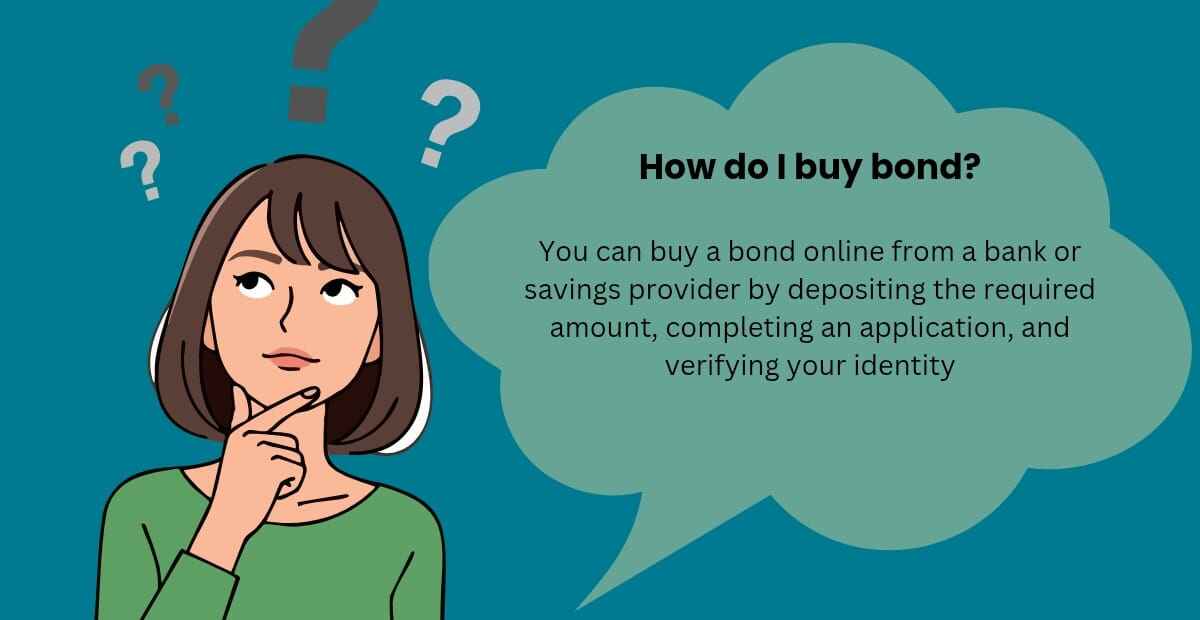
When considering how to buy bonds online or through a broker, it’s essential to choose a platform that aligns with your investment goals. Most online brokerages offer straightforward bond purchasing options, where you can sift through options based on interest rate, maturity, and risk level.
Utilizing tools like bond screeners can simplify the selection process, allowing you to filter options based on factors such as yield and credit rating. If you prefer a hands-on approach, a financial advisor can provide personalized insights, helping to decode the complexities of various bond types, from corporate to municipal bonds.
Conclusion: Why Understanding “What Are the Bonds?” Can Transform Your Financial Future
bonds for financial security, building wealth with fixed income investments, take action by learning more about bond investing today
Bonds represent a unique opportunity for financial security, offering a steady stream of income through fixed interest payments that can serve as a cushion against market volatility.
By incorporating bonds into your investment portfolio, you create a diversified foundation that balances potential risks and rewards. This stability is particularly appealing in uncertain economic climates, as bonds can help safeguard your wealth while still allowing for incremental growth.


2 thoughts on “What Are the Bonds? A Comprehensive Guide to Understanding Bonds and Their Importance”