Introduction to Savings Bonds and Inheritance in the UK
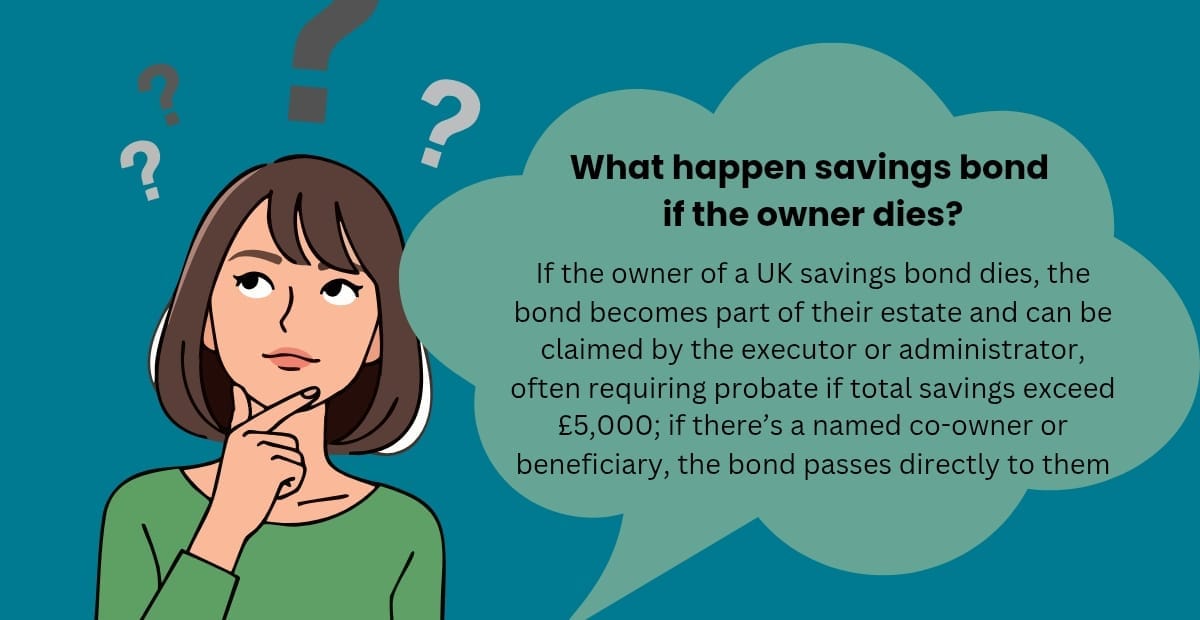
Savings bonds, particularly popular National Savings & Investments (NS&I) products like Premium Bonds, serve as a safe haven for UK savers seeking tax-free prizes or steady returns. But what happens to saving bonds if the owner dies? In the UK, these assets form part of the deceased’s estate, requiring executors or administrators to follow specific steps for claims, transfers, or cashing in.
This guide outlines the process, tailored for UK residents, to ensure smooth handling without probate delays where possible.
Premium Bonds and other NS&I savings bonds differ from traditional bank savings, as they cannot simply pass to next of kin automatically. Instead, the executor named in the will (or administrator if intestate) manages them during probate.
Prizes won before or shortly after death add to the estate’s value, potentially affecting Inheritance Tax (IHT). Understanding these rules helps families access funds efficiently while complying with HMRC and NS&I requirements.
People also Like
Types of UK Savings Bonds and Ownership Structures
Premium Bonds: Unique Prize Draw Mechanics Post-Death
Premium Bonds are the UK’s most iconic saving bonds, backed by the government with a chance at tax-free prizes up to £1 million. What happens to saving bonds if the owner dies in this case? Bonds remain eligible for monthly draws for up to 12 months after death, with any winnings added to the estate. Executors must notify NS&I promptly via their bereavement claim form, providing the deceased’s details, date of birth, death certificate, and holder number if known.
If holdings exceed £5,000 across NS&I products, a Grant of Probate or Letters of Administration is typically required before cashing in. NS&I processes claims within about 11 working days for smaller amounts, transferring value to the estate’s account or allowing reinvestment for eligible beneficiaries over 16 with a UK address.
Other NS&I Savings Bonds like Income Bonds or Growth Bonds
For fixed-rate saving bonds such as NS&I Income Bonds or Guaranteed Income Bonds, the process mirrors Premium Bonds but without prize draws. Upon death, interest stops accruing (or continues briefly per terms), and the principal joins the estate. Jointly held bonds pass automatically to the survivor, who submits a death certificate to update ownership—no probate needed unless disputed.
Solely owned bonds require executor intervention. Options include surrendering for cash (added to estate for distribution) or assigning to beneficiaries, which defers tax on gains. This assignment treats beneficiaries as owners from inception, offering top-slicing relief on any chargeable events.
Essential Steps for Handling Saving Bonds After Death
Step 1: Locate and Notify NS&I
Begin by searching for physical bond certificates, online NS&I accounts, or holder numbers in the deceased’s records. Contact NS&I immediately using their online bereavement claim form—no account creation needed. Provide the deceased’s full name, address, date of birth, death date, and your details as executor/administrator. For paper bonds, include bond numbers.
Step 2: Assess Probate Requirements
Check total NS&I holdings: under £5,000 often skips formal probate; over requires Grant of Probate (England/Wales), Confirmation (Scotland), or Letters of Administration (Northern Ireland). HMRC may issue codes for online probate applications after IHT review. Gather certified death certificates and ID proofs early.
Step 3: Decide on Cashing In or Transferring
Executors choose: cash in bonds (proceeds join estate, subject to IHT if over £325,000 threshold), hold for prizes (up to 12 months for Premium Bonds), or transfer to beneficiaries named in the will. Transfers need beneficiary details like National Insurance number and UK address. NS&I handles re-registration post-probate.
Step 4: Handle Tax Implications
Saving bonds count towards the estate for IHT—report via form IHT400 if applicable. Prizes are tax-free, but bond values may trigger 40% IHT on estates over nil-rate band. Income Bonds’ interest post-death is estate income; consult HMRC for offshore/onshore distinctions. Basic rate tax credits apply to some gains via executors.
Common Challenges and Tips for UK Families
Joint Ownership Simplicity: Surviving joint holders gain sole control instantly—notify NS&I with death certificate to stop payments to the deceased.
Lost Bonds: NS&I traces via deceased’s details; prizes auto-redirect during claims.
Charity Gifts:Wills can direct bonds to UK-registered charities, who reinvest if eligible.
Delays Avoidance: Act within months to capture prizes; probate timelines vary (6-12 months typically).
For complex estates, seek solicitors specialising in probate. Online tools from GOV.UK streamline IHT payments directly from accounts.
Final Thoughts for UK Readers
What happens to saving bonds if the owner dies need not be a daunting puzzle—prompt NS&I notification, probate awareness, and strategic decisions on cashing versus holding ensure heirs access value efficiently. For UK families, leveraging joint ownership or will-specific transfers minimises tax hits and delays, preserving government-backed security. Proactively review your NS&I holdings today; designate beneficiaries where possible to safeguard loved ones. Staying informed empowers smoother estate transitions amid life’s uncertainties.